Ancient village discovered in Canada is 10,000 years older than the pyramids.
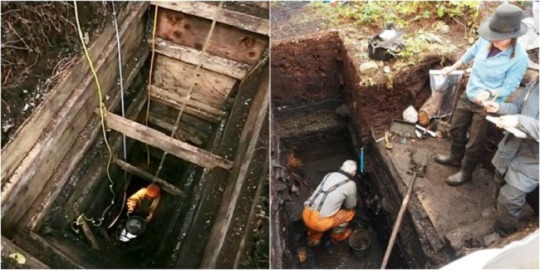
The discovery of a 14,000-year-old ancient village in Canada could forever alter our understanding of early civilization in North America. Researchers estimate the settlement is way older than the Giza pyramids, and have found artifacts dating all the way back to the Ice Age. The village is one of the oldest human settlements we’ve ever uncovered in North America – and lines up with the oral history of the Heiltsuk Nation.
Researchers from the Hakai Institute and University of Victoria, with local First Nations members, unearthed revealing artifacts on Triquet Island, around 310 miles northwest of Victoria, Canada. They’ve found fish hooks, spears, and tools to ignite fires. Thanks to the discovery of the ancient village last year, researchers now think a massive human migration may have happened along British Columbia’s coastline.
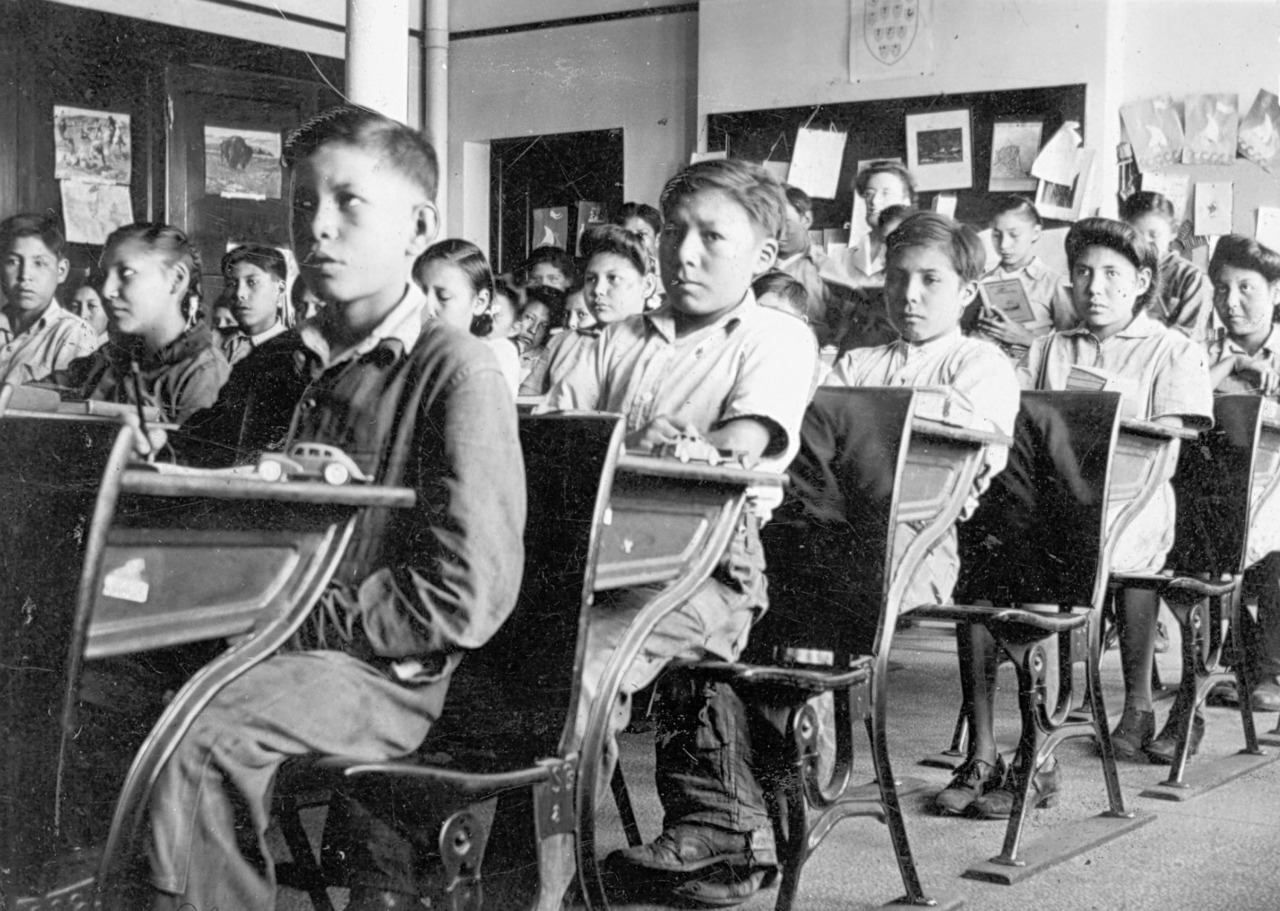
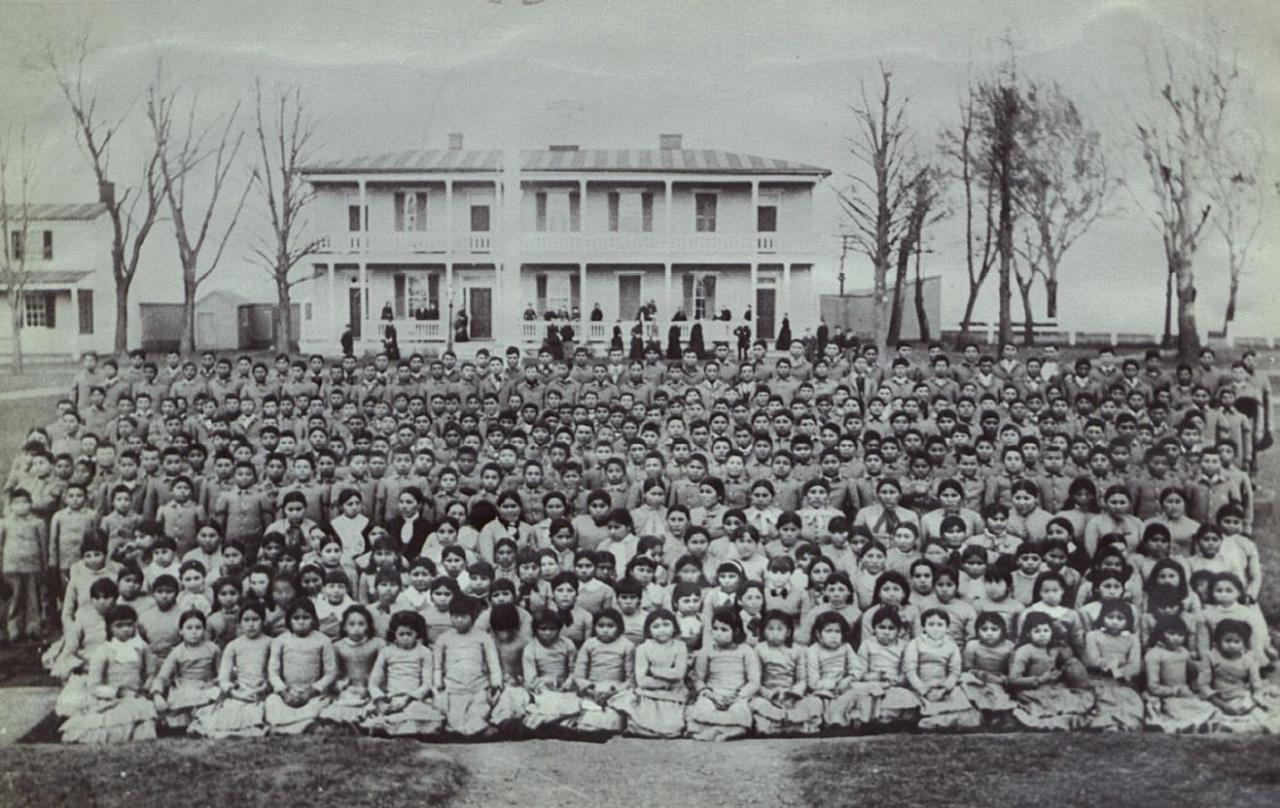
The federal government has spent more than $2.3-million over the past five years fighting legal cases related to the claims for compensation lodged by survivors of one of the country’s most notorious residential schools.
The amount was disclosed in an answer to a question put to the government by New Democrat MP Charlie Angus, whose Northern Ontario riding includes Fort Albany, where St. Anne’s Residential School was operated by a Roman Catholic order between 1904 and 1973.
According to the federal response, the federal departments of Justice and and Indigenous and Northern Affairs Canada spent $2,313,944.52 between Jan. 1, 2013, and May 9, 2018, to handle settled cases, deal with requests for direction and take part in proceedings where former students of the school went to court to fight for compensation under the Indian Residential Schools Settlement Agreement.
St. Anne’s, where children were forced to eat their own vomit, were whipped with wire straps and were tortured in a homemade electric chair, was the subject of a five-year probe by the Ontario Provincial Police in the 1990s, in which allegations were made against 20 different priests, nuns and laypeople. Five people were eventually convicted, three of them on charges of “indecent assault.”
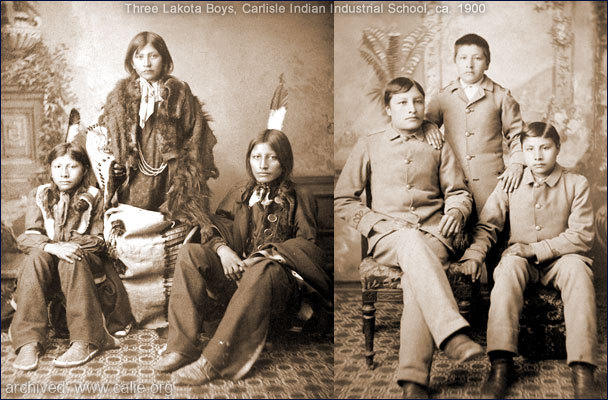
“In 1885, Canada’s Indian Act outlawed the potlatch, an exchange of wealth practiced by the Aboriginal nations of the Northwest Coast. An 1895 amendment to the Act widened its scope to include “any Indian festival, dance, or other ceremony.” […] any occasion featuring dance regalia made out of feathers or furs. Similarly, in 1883, the United States Bureau of Indian Affairs issued a circular entitled “The Code of Religious Offenses,” which declared Aboriginal ceremonies punishable by imprisonment.
A Department of Indian Affairs circular dated December 15, 1921, and endorsed by Duncan Campbell Scott — the top official who declared his intention “to continue until there is not a single Indian in Canada” — states that the Indian agents who represented the department at the local level were to “use [their] utmost endeavours to dissuade the Indians from excessive indulgence in the practice of dancing.” Mr. Scott was of the opinion that dancing was a “waste of time” that encouraged “sloth and idleness.” Such “demoralizing amusements” were an “obstacle to continued progress.”
To discourage the sun dance, Indian Affairs employed the services of the Royal Canadian Mounted Police and devised a pass system wherein any Aboriginal person absent from his or her reserve without permission of the Indian Agent could be arrested as hostile. This was a treaty violation and amounted to forcible imprisonment. But Aboriginal peoples are creative subversives: we modified our customs to make them harder to detect, and we gathered on European holidays to celebrate our traditions. Still, a number of people were charged with violating the anti-dancing laws, and most went to jail.
In one infamous case, a blind 90-year-old man in Fishing Lakes, Saskatchewan, was convicted of dancing and sentenced to two months hard labour – until public outcry forced authorities to suspend his sentence. In 1922, during a series of potlatch prosecutions, those convicted were told they could avoid prison terms if their fellow villagers surrendered all ceremonial masks, rattles, and jewelry. The villagers complied, and many of these objects were sold to the Royal Ontario Museum, the Canadian Museum of Civilization, and private collectors. Still other items were simply piled up and burned on the beach.“
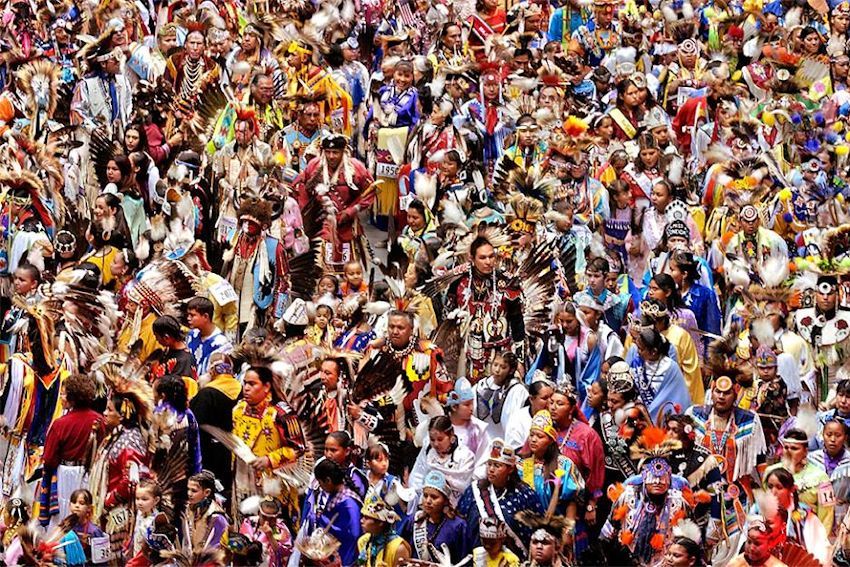
The psychological damage and cultural trauma was so great that it wasn’t until the 60′s and 70′s that pow wow’s experienced a revival in US & Canada. Generations of families under strict assimilation made people fearful and ashamed of expressing their culture and language, or unable to due to lost family traditions.
Think about that stain on the pages of history next time someone flippantly calls a group meeting a “pow wow”.
Hey friends i’ve launched a kickstarter to fund the reproduction and distribution of my new watercolour series Manitoowag. I’d really appreciate if you could share and donate if you can!!
Erica is such a wonderful person who loves her community. She fights tirelessly against poverty, colonialism, and racism in Vancouver’s Downtown Eastside. She lost her brother this week and when she went to the welfare office to seek emergency funds to attend her brother’s funeral, they refused and told her that they only allow emergency funds for the death of a spouse or child.
We are so close to raising enough so that Erica can go home to Gingolx (Kincolith), Nisga’a Nation for her brother’s service. Please consider donating or sharing this post!
“Removing Sir John A MacDonalds statue is erasing history”
Your argument is flawed and ridiculous if you think people learn history from looking at a statue. That comes from reading books, taking classes, and listening to other people. However, a statue is an honour to the person or thing it portrays. Racist genocidal sexist leaders don’t deserve to have that honour. So he goes, not to be forgotten, oh no, he doesn’t deserve such leniency. We will tell the truth of monsters, we will not cover the cold awful facts of leaders who commit crimes against humanity, we will not hold back the truth, we will remember them for what they were.
A Manitoba MLA has launched a petition calling for an inquiring into the death of Tina Fontaine.
New Democratic Party MLA for St. Johns Nahanni Fontaine shared the petition on social media on Thursday.
“I think it is a tangible way for us to still honor Tina Fontaine, honor Thelma her aunt and certainly to honor the community of Sagkeeng, which has some of the highest levels of MMIWG across Canada.”
She said she hopes that the inquiry will deconstruct how the system failed Tina.
In Canada, true Indigenous cuisine is
relatively unknown. Ask almost any Canadian to name an Indigenous dish,
and their answer will almost certainly be “bannock,” a kind of dry
skillet bread. Chef Rich Francis, based in Six Nations of the Grand
River, Ontario, refuses to serve it. “Bannock isn’t even Indigenous, in
the truest sense,” he says. “It was what we made when our land was
taken, our movement limited, and our provisions reduced to a sack of
flour. It was taught to us—it’s Scottish traditionally—it’s colonization
food.”
Chef Francis, who is Gwich’in and
Haudenosaunee, has been in the spotlight over the last few years, often
for challenging beliefs such as those about bannock. In 2014, he was the
first-ever Indigenous contestant on Top Chef Canada, where he took
third place despite being a favorite to win. His incorporation of
Indigenous medicine flavors (sweetgrass, tobacco, sage, and cedar)
throughout the season won him praise, but the judges were unforgiving
about his offering featuring muskox. Some undercooked quail in the dish
didn’t help, either.
Francis is working to help change the
narrative around Indigenous cuisine not exactly by recreating it, but by
bringing some of its ingredients and techniques to modern tables and
palates. Over the past few years, Francis has hosted dinners around the
theme of reconciliation, to explore what modern Indigenous cuisine is,
and could be. To do so, he’s looking within himself, to nature, and to
elders across the country—but there are few who can fully recall the
flavors of a pre-colonial palate.


 Stressed, Depressed, and Story Obsessed

